What Does Amman Design Mean for Arab Creatives?
Amman Design Week is back this October, marking a significant return to the cultural landscape after a hiatus. Since its inception in 2017, the event has grown beyond Jordan's borders, with Rana Beiruti's Arab Design Now exhibition in Doha showcasing the breadth of contemporary Arab design. But what does this resurgence in design mean for the region's cultural identity?
The evolution of Arab design is more than just a visual shift; it reflects a broader cultural narrative. As designers across the Middle East push boundaries and explore new mediums, they are redefining what it means to be Arab in the modern world. This movement raises an important question: how does contemporary design shape and preserve cultural heritage?

What actually happened
Amman Design Week, returning this October after a two-year hiatus, marks a significant milestone in the evolving landscape of Arab design. The event, spearheaded by Rana Beiruti, has become a cornerstone for showcasing innovative design from the Middle East. In 2024, Beiruti extended her reach to Qatar, curating the inaugural Arab Design Now exhibition as part of Design Doha's first biennial. This exhibition, which was acquired by Qatar Museums, highlights the region's contemporary design and its impact on cultural heritage.
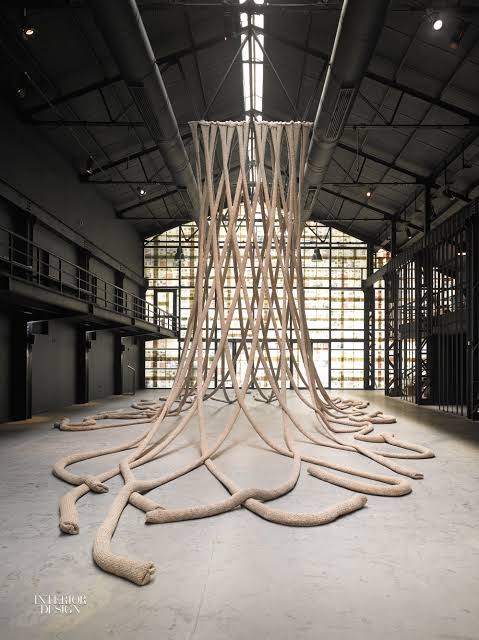
The success of Arab Design Now underscores the growing importance of design in shaping cultural narratives across the Arab world. By fostering a platform for emerging and established designers, these events encourage dialogue and collaboration, pushing the boundaries of traditional design practices. The Stream, an installation by Dina Haddadin from the 2017 Amman Design Week, exemplifies how design can serve as a medium for cultural expression and exploration.

As Amman Design Week prepares for its comeback, it signals a revival of creative energy and a continued commitment to nurturing Arab design. The event not only celebrates the region's rich heritage but also looks toward the future, embracing new technologies and ideas that are redefining the design landscape. This evolution in design thinking reflects a broader cultural shift, where designers are increasingly focused on preserving tradition while embracing innovation.
The response to Amman Design Week's return and the continuation of Arab Design Now in Design Doha has been overwhelmingly positive, highlighting a growing appreciation for the region's unique design language. The exhibitions have not only attracted a diverse audience but have also sparked conversations about the importance of cultural preservation and innovation in a rapidly changing world.
Visitors and critics alike have praised the thoughtful curation and the way it bridges the gap between traditional craftsmanship and modern aesthetics. The exhibitions have served as a platform for emerging designers to showcase their work, fostering a sense of community and shared purpose among creatives. This support for local talent and the celebration of cultural heritage through contemporary design are key indicators of a broader shift in how the region is perceived and valued on the global stage.
The success of these events reveals a deeper interest in understanding the nuances of Arab design, beyond the familiar tropes. It underscores a desire for authenticity and a nuanced approach to cultural expression that resonates with a global audience. As these design initiatives continue to evolve, they signal a new era of cultural confidence and creativity, where the past informs the present and the future is shaped by a commitment to both preservation and progress.
Reported by GQ Middle East.
What it says about heritage design right now
This cultural renaissance is particularly evident in the Gulf, where traditional forms are being reinterpreted for contemporary life.
The Evolution of Arab Design
In the past few years, the Gulf region, including Saudi Arabia and the United Arab Emirates, has witnessed a surge in innovative design that blends traditional aesthetics with modern functionality. This shift reflects a growing desire among Arab men to connect with their cultural heritage while embracing the advancements of the modern world. For example, in Saudi Arabia, young designers are creating furniture and textiles that honor the geometric patterns and natural materials of their ancestors, yet are tailored for today's urban living spaces.
This synthesis of old and new is not just about aesthetics; it's about reclaiming a sense of identity and pride in the region's rich cultural legacy.
The UAE, too, has become a hub for this kind of creative fusion. Designers there are experimenting with traditional motifs and materials, adapting them for contemporary use. This approach is evident in the way local artisans are integrating traditional weaving techniques into modern clothing lines, or in the way architects are incorporating traditional building elements into sustainable, modern structures.
This evolution in design thinking is not just a response to a growing interest in heritage but also a strategic move to position the region as a leader in innovative design practices that respect and honor the past.
Empowering Local Talent
The rise of these design initiatives is also about empowering local talent and fostering a sense of community among designers. In recent years, there has been a noticeable increase in the number of local designers and artisans who are taking the lead in shaping the region's design landscape. This shift is significant because it signals a break from the past, where design decisions were often made by outsiders or imported from abroad.
Now, Arab designers are at the forefront of creating pieces that resonate with the region's cultural identity and contemporary needs.
This empowerment extends beyond the design community to include a wider audience. As more people recognize the value of supporting local talent, there is a growing market for these innovative designs. This demand is driving a new wave of creativity and entrepreneurship, with designers finding new ways to reach and engage their audiences. Whether through social media platforms or physical exhibitions, these designers are connecting with a global audience while staying true to their roots.
The evolution of Arab design is more than just a trend; it's a movement that reflects the changing dynamics of the region. As Arab men continue to lead the way in reimagining traditional forms for modern life, they are not only shaping the aesthetic landscape of the Gulf but also contributing to a broader conversation about cultural identity and innovation in the 21st century.
The same instinct, on a smaller surface
For the man who moves from the gym to the office and then to the majlis, every piece of his wardrobe must adapt seamlessly to each environment. It's a challenge to find items that speak to his heritage while also standing up to the rigors of daily life. But clothing isn't the only avenue for this quest. The objects he keeps on him every day, like a wristwatch, must carry the same ethos: a blend of heritage and durability that can be worn, not just admired.
A wristwatch is a microcosm of this challenge. It's a small object that must convey a lot of information quickly and clearly. For the Arab man, this means more than just telling time; it means doing so with a nod to cultural traditions.
Eastern Arabic numerals, for instance, might seem like a small detail, but they are a powerful symbol of identity. They must be legible at a glance, even when shrunk to fit on a watch face. The same goes for the Khanjar-inspired design, which must be recognizable yet refined enough to avoid looking like a mere replica.
These watches aren't just about telling time; they are about how time is perceived and shared. The way the numerals are displayed and the silhouette of the hands are crucial. They need to be unmistakably Arab, yet contemporary enough to fit into any setting. This balance is what makes a wristwatch more than just a tool, it's a statement of the wearer's commitment to blending heritage with modernity.
What matters on an Arabic dial
The silhouette of the hands is just one aspect that elevates an Arabic dial watch from a mere accessory to a meaningful statement. For Casablancan's offerings, the sunray dial finish plays a crucial role in capturing the essence of light and shadow. This finish features concentric lines radiating outward from the center, creating a dynamic interplay with ambient light.
As light shifts throughout the day, the dial's appearance transforms, offering a subtle yet mesmerizing visual experience. The sunray effect not only enhances the aesthetic appeal but also ensures that the timepiece remains engaging and captivating, no matter the setting.
The use of Eastern Arabic numerals, or Indic numerals, on Casablancan's dials sets them apart from traditional Western watches. These numerals, with their open, curved forms, offer a distinct visual identity that is instantly recognizable. Unlike the more linear stick indices commonly found on other watches, the Eastern Arabic numerals create a sense of openness and elegance.
They evoke a connection to the rich cultural heritage of the Arab world, where these numerals have been used for centuries. This choice of numerals not only distinguishes Casablancan watches but also reinforces their commitment to celebrating Arabic design and tradition.
The Khanjar-inspired hands on Casablancan watches are a nod to the iconic curved dagger that holds significant cultural and historical importance in the Gulf region and beyond. The Khanjar, with its distinctive curved blade and intricate hilt, is more than just a weapon; it is a symbol of honor, courage, and heritage. By incorporating this design element into the hands of the watch, Casablancan pays tribute to a deeply rooted tradition while ensuring the hands remain contemporary and stylish.
The Khanjar-inspired hands not only tell time but also tell a story, making each watch a wearable piece of history and culture.
The durability and quality of a watch are paramount, and Casablancan ensures this with a robust build. The watches feature a 43mm case made of 304 stainless steel, providing a strong and reliable foundation. Coupled with a sapphire crystal, the watch is protected against scratches and daily wear, maintaining its pristine condition over time.
The exhibition caseback allows the intricate workings of the quartz movement to be admired, adding an extra layer of appreciation for the craftsmanship. Together, these elements create a timepiece that is not only visually appealing but also built to last, ensuring that every moment is marked with precision and style.
Those choices are what you are looking at here: Arabic dial watches.
The clearest example of that combination: the Green Sunray Khanjar.
| Case | 43mm, 304 stainless steel |
|---|---|
| Crystal | sapphire |
| Water resistance | 3 ATM (handwashing and splashes; not for swimming or showering) |
| Movement | quartz |
| Hands | Khanjar-inspired hour and minute hands |
| Numerals | Eastern Arabic numerals (٠ ١ ٢ ٣) |
| Caseback | exhibition caseback with Arabic engraving |
| Model | Dial color | Finish | Price |
|---|---|---|---|
| Green Sunray Khanjar 43mm | green | forest green sunray dial | $99 |
| Onyx Sentinel 43mm | black | onyx black sunray dial | $99 |
| Dune Heritage 43mm | brown | brown dune sunray dial | $99 |
How to choose one
Casablancan's Green Sunray Khanjar 43mm, Onyx Sentinel 43mm, Dune Heritage 43mm, and Al Majaz 43mm watches offer a compelling blend of traditional Arabic aesthetics and modern design. Each model features an exhibition caseback with intricate Arabic engraving, showcasing the brand's commitment to cultural heritage. The watches come in a range of dial colors, from the forest green of the Khanjar to the elegant turquoise of the Al Majaz, ensuring there's a style to suit every taste.
At $99, these watches are an affordable way to incorporate a touch of Middle Eastern design into your wardrobe. The sapphire crystal provides excellent protection, while the 304 stainless steel case ensures durability. However, it's important to note that the water resistance is rated at 3 ATM, which means it's suitable for handwashing and splashes but not for swimming or showering.
The 43mm case size might be too large for wrists under 16.5cm, so consider this if you're looking for a more compact fit. Additionally, the quartz movement means that if you prefer the tactile experience of winding a mechanical watch, this might not be the right choice for you. Despite these limitations, the watches offer a unique blend of style and functionality, making them a great addition to any collection for under a hundred dollars.
One thing worth saying plainly: 3 ATM covers handwashing, rain and splashes. It is not a swimming or shower watch, and we would rather tell you now than have you find out.
If you already know what you are after, the current models are listed side by side here: men's Arabic dial watch collection.
The collection
Green Sunray Khanjar 43mm

The Green Sunray Khanjar 43mm, with its forest green sunray dial, suits professionals attending Amman Design Week. Its sleek design and Arabic engraving make a statement at networking events, blending traditional craftsmanship with modern elegance.
$99
Onyx Sentinel 43mm

The Onyx Sentinel 43mm with its sleek onyx black sunray dial suits professionals attending a business meeting in Amman. Its subtle sophistication and classic design make it a perfect match for both tailored suits and smart-casual outfits, ensuring a polished appearance.
$99
Dune Heritage 43mm

The Dune Heritage 43mm, with its warm brown dune sunray dial, suits those attending the Amman Design Week, offering a sophisticated yet approachable look that blends seamlessly with the event's atmosphere and design-centric conversations.
$99
Those are the three that suit this look most directly. The rest of the range is here: Arabic calligraphy watches with Khanjar hands.
Questions we get asked
Is the watch water resistant?
Casablancan watches are rated 3 ATM, which covers handwashing, light rain and accidental splashes. We recommend removing the watch before swimming or showering, since prolonged water exposure can affect the case seals and finishing over time.
What movement is inside?
A quartz movement, chosen for accuracy and low maintenance in daily wear. The exhibition caseback lets you see the movement styling and the engraved Arabic script on the back of the case.
What is the case made of?
304 stainless steel, 43mm, with a sapphire crystal over the dial. Sapphire resists scratching far better than the mineral glass used at this price, so the Eastern Arabic numerals stay clear.
How long does shipping take?
Free worldwide shipping, typically 7 to 15 business days depending on your location. Full details are on our shipping policy page.
Can I return it?
Yes - 14 days from delivery, no complicated process. Every watch also carries a one-year warranty against manufacturing and mechanical defects.
Where to start
Free worldwide shipping, 7-15 business days. 14-day returns.