Oman perfume heritage: what it says about how Arab men dress now
Perfume houses across the Middle East are captivating the global fragrance market with their unique blends and rich heritage. As the region's influence grows, it's clear that the essence of Middle Eastern culture is not just about scent but also about the deep-rooted traditions that shape it. How did this cultural cornerstone become a powerhouse in the perfume industry?
This article explores the intricate connection between scent and culture in the Middle East, revealing how the region's rich history and traditions have influenced the contemporary fragrance market.
What actually happened
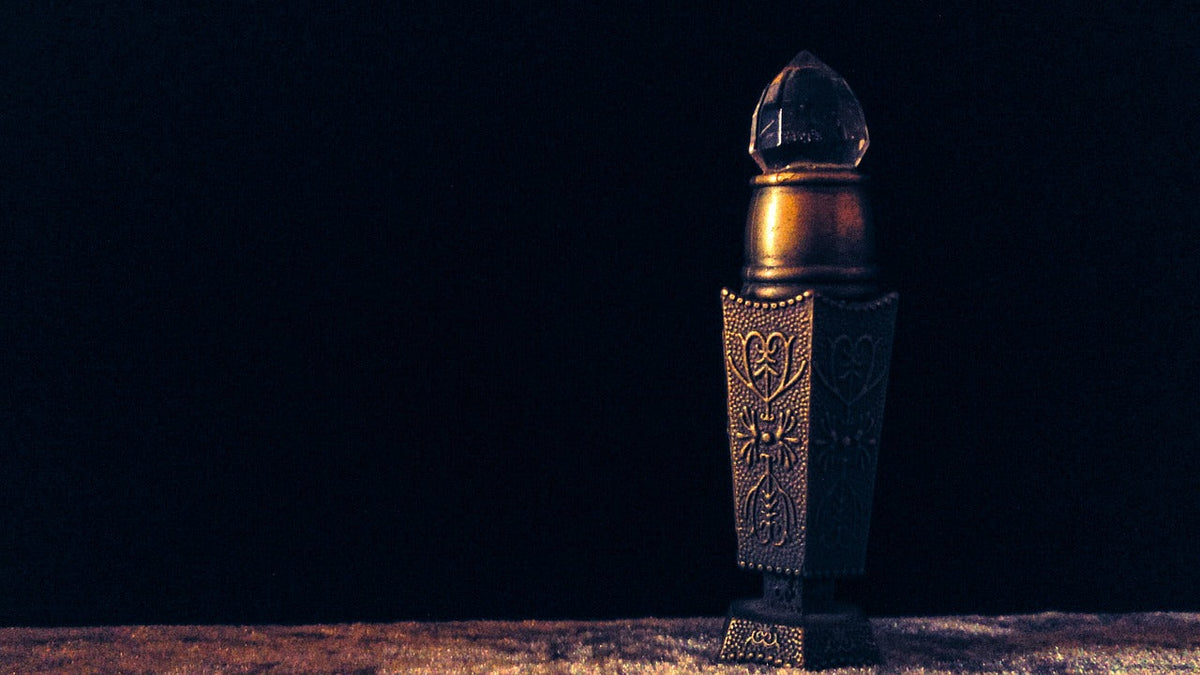
The Middle East has a long history of perfumery, dating back to ancient civilizations and continuing through the Islamic Golden Age. This heritage is not just about the artistry of scent but also the cultural significance of fragrance in daily life and religious practices. Born in 1983 at the behest of Sultan Qaboos bin Said, Amouage is a prime example of how the region's rich tradition has been transformed into a modern luxury brand. The company has since become a beacon for artisanal perfumery, blending traditional ingredients with contemporary techniques.
Thibaud Crivelli, founder of Maison Crivelli, underscores the unique perspective of Middle Eastern consumers. "The region has always contributed through the lens of consumers who are more knowledgeable and more demanding than the average fragrance consumer around the world," he explains. This insight reflects the deep understanding of scent and its cultural importance in the Middle East. When a French teacher walked into a classroom wearing Yves Saint Laurent's Opium, it sparked a conversation about the nuances of fragrance and its impact on perception and memory.

Similarly, the story of Diyarbakır's Ipari Mosque, built with musk-infused mortar, illustrates the historical significance of scent in architecture and religious spaces. Modern brands like Kayali, founded in Dubai in 2018 by Ankita Chandra Mona and Huda Kattan, are bringing these ancient traditions to a global audience. Kayali's mission is to introduce the concept of fragrance layering, which is a common practice in the Middle East, to a wider market.
This approach not only enriches the global fragrance landscape but also highlights the cultural depth and sophistication of Middle Eastern perfumery.
The introduction of fragrance layering by Kayali has sparked a wave of interest among perfume enthusiasts and casual users alike. This innovative approach to enhancing the olfactory experience has resonated deeply with audiences who appreciate the nuanced artistry behind Middle Eastern perfumery.
Consumers are increasingly seeking out the layered, complex scents that Kayali offers, mirroring the sophisticated traditions found in the region. This response highlights a growing appreciation for the cultural richness and heritage embedded in Middle Eastern perfumery. The brand's success underscores a shift in consumer behavior, where there is a greater demand for products that offer more than just a scent, they provide a story and a connection to a vibrant cultural tradition.
As Thibaud Crivelli of Maison Crivelli notes, conversations around the intricacies of fragrance layering are becoming more commonplace. This reflects a broader trend of consumers engaging with perfumes in a more informed and discerning manner. The cultural significance of fragrance layering, as seen in the legacy of brands like Amouage, is not just about the product itself but about the deeper cultural narrative it encapsulates. This approach has not only enriched the global fragrance market but also brought a unique cultural perspective to the forefront.
What it says about heritage design right now
This cultural narrative extends beyond fragrances to other domains, including the revival and adaptation of traditional attire and accessories. In Saudi Arabia, the UAE, and the wider Gulf, a new generation of designers and entrepreneurs is reimagining heritage items for contemporary life. They are blending traditional aesthetics with modern sensibilities, reflecting a broader trend of cultural renaissance across the region.
Reclaiming Heritage Through Modern Design
The shift in how Arab men approach traditional crafts and fashion is significant. Traditionally, these items were crafted by skilled artisans and worn by community elders. Today, young designers are taking the lead, infusing traditional elements with innovative materials and techniques.
This transformation is not just about aesthetics but also about cultural identity and pride. For instance, in Saudi Arabia, modern interpretations of the khanjar dagger, a traditional accessory, are gaining popularity. These contemporary designs often feature sleeker lines and more versatile materials, appealing to a younger demographic while retaining the symbolic importance of the khanjar.
In the United Arab Emirates, similar trends are evident in the fashion industry. Designers are creating modern takes on traditional garments like the dishdasha and the thobe, incorporating contemporary fabrics and cuts that cater to a more active, urban lifestyle. This approach not only preserves cultural heritage but also positions these items as fashionable choices for everyday wear, rather than just ceremonial outfits.
Global Influence and Local Identity
The intersection of global trends and local identity is another critical aspect of this cultural renaissance. As Gulf and Arab men engage more with the global fashion and design communities, they bring a unique perspective to these conversations. This exchange enriches both the local and international scenes, as seen in the success of brands like Kayali and Amouage. These companies have not only carved out a niche in the global market but have also set new standards for quality and innovation within the region.
The reasons behind this cultural renaissance are multifaceted. Economic development, increased cultural exchange, and a growing appreciation for heritage have all contributed to this shift. Moreover, social media and digital platforms have played a crucial role in amplifying these voices and showcasing the work of local artisans and designers to a global audience. This visibility has not only boosted confidence among local creators but has also sparked a renewed interest in traditional crafts and fashion among younger generations.
As the region continues to evolve, the blend of tradition and modernity is likely to become even more pronounced. This cultural renaissance not only reflects a deeper appreciation for heritage but also signals a broader cultural awakening, where the past informs and enriches the future.
The same instinct, on a smaller surface
As the morning sun rises, imagine a man in the United States or Canada starting his day. He might begin with a jog in the park, then head to the office for meetings, and later find himself in a majlis, a traditional gathering space in the Middle East. This man, like many others, seeks objects that can withstand the rigors of daily life without losing their cultural significance. For him, clothing is the most obvious expression of this need, but it's not the only one.
The objects he carries with him every day, from his smartphone to his wallet, must also reflect this blend of heritage and durability. They need to be functional yet meaningful, capable of bridging the gap between the gym and the majlis. A wristwatch, in particular, stands out as the most challenging and intimate of these items. It must not only tell time accurately but also carry a sense of place and tradition.
Eastern Arabic numerals and the Khanjar silhouette, symbols deeply rooted in the cultural identity of the Middle East, are now part of the smallest wearable tech. These elements, once grand and bold, are now condensed into a few millimeters on a watch face. The intricate details of the dial, with its Eastern Arabic numerals, remind us of the rich heritage that continues to shape and inform our daily lives.
What matters on an Arabic dial
The sunray dial finish is a prime example of how light interacts with a watch face, creating a mesmerizing play of reflections and shadows. As light moves across the dial, the sunray finish reveals subtle gradients and highlights, drawing the eye in and enhancing the visual appeal of the watch.
This finish is particularly captivating when paired with the vibrant dial colors offered by Casablancan, such as the forest green, onyx black, brown dune, and turquoise options. Each color casts a unique light show on your wrist, making the watch a dynamic accessory that adapts to different lighting conditions throughout the day.
Eastern Arabic numerals, with their distinct open curved forms, offer a striking contrast to the more common stick indices found on many watches. These numerals, written in the script style of ٠ ١ ٢ ٣, are not just a decorative feature but also serve a functional purpose. The open curves allow for better readability, as they clearly distinguish each numeral from its neighbors.
This is especially important for quick glances at the time, ensuring that you can read the time accurately even in low light conditions. The use of Eastern Arabic numerals is a nod to the rich cultural heritage of the Middle East, where numerals have been used in various forms for centuries. This unique feature sets Casablancan watches apart and adds a touch of authenticity to their design.
The Khanjar-inspired hands are another distinctive element that draws inspiration from a significant cultural artifact. The Khanjar is a curved dagger that holds great importance in Omani and wider Arabian culture, symbolizing pride, honor, and tradition. The hour and minute hands, designed to resemble the Khanjar, echo this rich heritage and pay homage to the craftsmanship and symbolism of the dagger.
The hands are crafted to be both functional and aesthetically pleasing, with their sleek, curved design enhancing the overall elegance of the watch. This attention to detail not only makes the watch a conversation starter but also serves as a tangible link to the cultural significance of the Khanjar, reminding the wearer of the deep-rooted traditions that continue to shape the region.
The durability and clarity of the watch are further enhanced by its sapphire crystal and 43mm 304 stainless steel case. The sapphire crystal, known for its scratch resistance and transparency, ensures that the dial remains pristine and the time is always clearly visible. The 304 stainless steel case not only provides a robust frame but also offers a sleek and modern aesthetic.
At 43mm in diameter, the watch is substantial enough to make a statement without feeling overly bulky. The exhibition caseback with its Arabic engraving adds an extra layer of detail, allowing you to appreciate the intricate movement inside. Together, these features create a watch that is not only a timepiece but also a work of art, embodying the blend of heritage and modernity that is central to Casablancan's ethos.
Those choices are what you are looking at here: Arabic dial watches.
The clearest example of that combination: the Green Sunray Khanjar.
| Case | 43mm, 304 stainless steel |
|---|---|
| Crystal | sapphire |
| Water resistance | 3 ATM (handwashing and splashes; not for swimming or showering) |
| Movement | quartz |
| Hands | Khanjar-inspired hour and minute hands |
| Numerals | Eastern Arabic numerals (٠ ١ ٢ ٣) |
| Caseback | exhibition caseback with Arabic engraving |
| Model | Dial color | Finish | Price |
|---|---|---|---|
| Green Sunray Khanjar 43mm | green | forest green sunray dial | $99 |
| Onyx Sentinel 43mm | black | onyx black sunray dial | $99 |
| Dune Heritage 43mm | brown | brown dune sunray dial | $99 |
How to choose one
At $99, the Casablancan Green Sunray Khanjar, Onyx Sentinel, Dune Heritage, and Al Majaz watches offer a stylish and affordable option for those who appreciate Arabic design elements. The watches boast a 43mm case size, which, while substantial, might be too large for wrists under 16.5cm. The 3 ATM water resistance ensures that daily activities like handwashing and splashes are no issue, but swimming or showering isn't recommended.
With a quartz movement, these watches are perfect for wearers who prefer the convenience of not having to wind their timepieces, but if you're looking for the tactile experience of a mechanical movement, this might not be the right choice. The sapphire crystal and stainless steel case provide durability and a sleek appearance, while the exhibition caseback offers a glimpse into the watch's intricate inner workings.
The use of Eastern Arabic numerals and Khanjar-inspired hands adds a unique touch of cultural heritage, making these watches a standout choice for those interested in Middle Eastern design aesthetics. The adjustable strap and included tool ensure a comfortable fit for various wrist sizes, enhancing the overall wearability of the watch.
Considering the value for money, these watches are an excellent entry point for those looking to explore Arabic-inspired timepieces without breaking the bank. However, if you're seeking a watch that can withstand more rigorous activities or prefer the traditional appeal of mechanical movements, you might want to look elsewhere.
One thing worth saying plainly: 3 ATM covers handwashing, rain and splashes. It is not a swimming or shower watch, and we would rather tell you now than have you find out.
If you already know what you are after, the current models are listed side by side here: men's Arabic dial watch collection.
The collection
Green Sunray Khanjar 43mm

The Green Sunray Khanjar 43mm, with its forest green sunray dial, suits professionals attending a business lunch in a bustling Middle Eastern city. Its sleek design and Arabic engraving make a subtle statement, reflecting cultural heritage and sophistication.
$99
Onyx Sentinel 43mm

The Onyx Sentinel 43mm is perfect for someone attending a business meeting in a modern, sleek office. Its black onyx sunray dial and 304 stainless steel case exude a professional yet subtle presence, making it a standout accessory without overpowering the environment.
$99
Dune Heritage 43mm

The Dune Heritage 43mm with its brown dune sunray dial suits men who appreciate the rich heritage of Oman. Its elegant yet rugged design pairs perfectly with traditional khanjar knives during cultural events, reflecting a deep connection to Middle Eastern traditions.
$99
Those are the three that suit this look most directly. The rest of the range is here: Arabic calligraphy watches with Khanjar hands.
Questions we get asked
Is the watch water resistant?
Casablancan watches are rated 3 ATM, which covers handwashing, light rain and accidental splashes. We recommend removing the watch before swimming or showering, since prolonged water exposure can affect the case seals and finishing over time.
What movement is inside?
A quartz movement, chosen for accuracy and low maintenance in daily wear. The exhibition caseback lets you see the movement styling and the engraved Arabic script on the back of the case.
What is the case made of?
304 stainless steel, 43mm, with a sapphire crystal over the dial. Sapphire resists scratching far better than the mineral glass used at this price, so the Eastern Arabic numerals stay clear.
How long does shipping take?
Free worldwide shipping, typically 7 to 15 business days depending on your location. Full details are on our shipping policy page.
Can I return it?
Yes - 14 days from delivery, no complicated process. Every watch also carries a one-year warranty against manufacturing and mechanical defects.
Where to start
Free worldwide shipping, 7-15 business days. 14-day returns.