
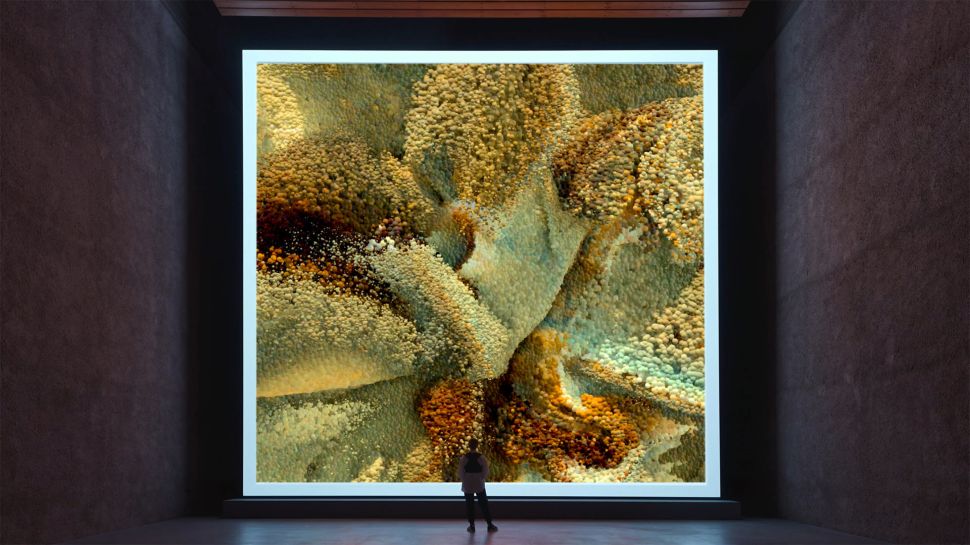
As the Middle East and North Africa (MENA) region continues to thrive culturally, art exhibitions like those featured by GQ Middle East highlight the dynamic nature of artistic expression across the area. But what does this mean for everyday enthusiasts?
This article explores how these exhibitions reflect broader cultural narratives and personal connections to heritage. By examining pieces such as Golden Pause by Atieh Shorabi, we uncover the layers of meaning behind seemingly simple artworks, inviting us to question our own perceptions and memories.

What actually happened
Between Memory and Imagination at Leila Heller Gallery in Dubai offers a unique glimpse into the evolving nature of memory through diverse artistic expressions. The exhibition features Golden Pause by Atieh Shorabi, which invites viewers to reflect on personal recollections and how they shape our understanding of history.
The show runs until September 13, 2026, providing ample time for art enthusiasts to explore the gallery's rich collection. With 39 works from 27 artists, it highlights Arter's commitment to fostering collaborative artistic endeavors over its fifteen-year journey. Each piece contributes to a narrative that challenges conventional views on memory and imagination.


This display transforms the historical journey of this exotic animal into a profound meditation on themes like displacement and power dynamics. By taking the letter Z as its starting point, Baladi encourages visitors to see familiar stories from new perspectives.
The exhibition's thematic approach has resonated deeply with audiences, inviting them to reconsider familiar narratives through fresh lenses. The diverse array of works challenges viewers to question their preconceived notions and explore multiple interpretations of historical events. This engagement is particularly evident in the interactive elements that encourage dialogue among visitors.
Feedback from gallery-goers highlights a growing appreciation for exhibitions that blend history with contemporary relevance, bridging cultural divides through shared human experiences. The display has sparked conversations about identity, heritage, and global interconnectedness, reflecting a broader trend toward more inclusive and thought-provoking artistic expressions in the MENA region.
By focusing on themes of memory and imagination, Between Memory and Imagination not only entertains but educates its audience, fostering a deeper understanding of cultural narratives. This approach underscores the evolving role of art as a catalyst for social dialogue and personal reflection, positioning it at the forefront of modern cultural discourse in the MENA context.
Reported by GQ Middle East.
What it says about heritage design right now

Art exhibitions like Between Memory and Imagination at Leila Heller Gallery offer a glimpse into how Gulf and Arab men are reinterpreting cultural heritage for contemporary life. Through innovative works that blend traditional themes with modern techniques, artists are challenging conventional narratives about identity and history.
The Shifting Role of Art in the MENA Region
As the region undergoes rapid social and economic transformation, art is emerging as a powerful medium to explore new identities and values. In Saudi Arabia and the UAE, younger generations are increasingly taking the lead in shaping cultural expressions that reflect their unique experiences. This shift signals a move away from static interpretations of heritage toward dynamic representations that resonate with modern sensibilities.
For instance, exhibitions such as Baladi at Arter Gallery highlight how historical events like Zarafa's journey can be reimagined to address contemporary issues like displacement and power dynamics. By drawing connections between past and present through art, these initiatives foster a more nuanced understanding of cultural narratives that are relevant today.
Art as Catalyst for Social Dialogue
The growing prominence of art in the Gulf reflects broader societal changes where traditional roles are being redefined. As women and men collaborate on new projects, they challenge gender norms and promote inclusivity within artistic communities. This collaborative approach not only enriches the cultural landscape but also encourages a dialogue that bridges generations.
Artists like Atieh Shorabi, whose work is featured in Between Memory and Imagination, exemplify this trend by creating pieces that speak to both historical contexts and current concerns. Through their innovative use of materials and techniques, they invite viewers to engage with art on multiple levels, fostering a deeper connection between the audience and the cultural heritage being reinterpreted.
In this evolving landscape, art serves not just as an aesthetic expression but also as a tool for social change. It prompts conversations about identity, tradition, and modernity that are essential in navigating the complexities of contemporary life in the MENA region.
The same instinct, on a smaller surface
As Abdul moves between his gym sessions in Dubai, the bustling office towers of Riyadh. The traditional majlis gatherings with elders, he seeks garments that can adapt to each setting without compromising on quality or cultural respect. His wardrobe reflects a balance between modern functionality and deep-rooted heritage.
Clothing is undoubtedly the most expressive element of this duality in Abdul's life. Yet, it is not just his attire but also the smaller objects he carries daily that mirror these values. A wallet, keys, or a phone case, each item must endure the wear of everyday use while carrying symbolic meaning tied to his identity and heritage.
Among these items, perhaps none embodies this challenge more than a wristwatch. Designed for constant contact with skin and frequent exposure to elements, it requires a durability that speaks not only to its practicality but also to its cultural significance. Eastern Arabic numerals and the intricate Khanjar-inspired hands must be visible at a glance, even when shrunk to fit on such a small surface. The dial becomes a canvas where tradition meets modern design, demanding precision in execution.
What matters on an Arabic dial
The sunray dial finish on the Casablancan Green Sunray Khanjar 43mm, Onyx Sentinel 43mm, Dune Heritage 43mm, and Al Majaz 43mm watches is a striking feature that draws attention to their intricate design. This finish creates an elegant pattern of radiating lines from the center to the edge of the dial, catching light in a dynamic way as it moves around the watch face. When sunlight or ambient light shines through the sapphire crystal, the sunray effect enhances the visual appeal, making the timepiece stand out with its play of light and shadow.
Eastern Arabic numerals, also known as Indic numerals, add a unique touch to these watches by incorporating cultural heritage into their design. Unlike traditional stick indices or Roman numerals, Eastern Arabic numerals (٠ ١ ٢ ٣) have open curved forms that provide a distinct visual identity on the dial. This style not only enhances readability but also carries symbolic significance within Arab culture.
The open curves of these numerals create an aesthetic balance and elegance that stick indices cannot replicate, making them stand out as a thoughtful nod to cultural traditions.
The Khanjar-inspired hour and minute hands are another distinctive feature that sets these watches apart from others on the market. Drawing inspiration from the traditional curved dagger found in Gulf countries such as Oman and across wider Arabia, these hands are crafted with precision to mirror the sleek lines of the Khanjar blade. The design not only pays homage to a significant cultural artifact but also ensures high visibility against the sunray dial finish. This attention to detail means that time-telling is both practical and meaningful, blending historical symbolism with contemporary style.
The robustness of these watches is further enhanced by their 43mm case made from durable 304 stainless steel, which provides a solid foundation for the intricate design elements. The sapphire crystal on top offers exceptional scratch resistance while allowing light to pass through and highlight the sunray dial finish effectively. With a water resistance rating of 5 ATM, these watches can handle everyday wear, including splashes and handwashing, without compromising their structural integrity or aesthetic appeal. This combination of materials ensures that each Casablancan timepiece is not only visually striking but also built to last.
Those choices are what you are looking at here: Arabic dial watches.
The clearest example of that combination: the Green Sunray Khanjar.
| Case | 43mm, 304 stainless steel |
|---|---|
| Crystal | sapphire |
| Water resistance | 5 ATM |
| Movement | quartz |
| Hands | Khanjar-inspired hour and minute hands |
| Numerals | Eastern Arabic numerals (٠ ١ ٢ ٣) |
| Caseback | exhibition caseback with Arabic engraving |
| Model | Dial color | Finish | Price |
|---|---|---|---|
| Green Sunray Khanjar 43mm | green | forest green sunray dial | $99 |
| Onyx Sentinel 43mm | black | onyx black sunray dial | $99 |
| Dune Heritage 43mm | brown | brown dune sunray dial | $99 |
How to choose one
With its sleek design and affordable price point, the Casablancan Green Sunray Khanjar 43mm is a standout choice for those seeking a stylish timepiece without breaking the bank. The green sunray dial adds a touch of nature-inspired elegance, making it a perfect match for both casual and formal occasions. Its robust sapphire crystal offers protection against scratches, ensuring your watch stays looking new for longer.
The 5 ATM water resistance rating on the Casablancan is suitable for everyday activities like handwashing and splashes but it's not designed for swimming or showering. If you're someone who enjoys aquatic sports, this limitation might be a dealbreaker. The exhibition caseback with Arabic engraving provides an interesting glimpse into the craftsmanship behind your watch, adding to its cultural appeal.
At 43mm, the Casablancan is on the larger side and may not fit comfortably on wrists smaller than about 16.5cm in circumference. This could be a consideration for those with narrower wrists who prefer more petite timepieces. Despite this, the adjustable strap included offers some flexibility to tailor the fit to your preference.
If you already know what you are after, the current models are listed side by side here: men's Arabic dial watch collection.
The collection
Green Sunray Khanjar 43mm

The Green Sunray Khanjar 43mm is perfect for someone attending Between Memory and Imagination at Leila Heller Gallery in Dubai, blending sophistication with cultural significance. Its forest green sunray dial adds a subtle yet striking touch to any art exhibition outing.
Those are the three that suit this look most directly. The rest of the range is here: Arabic calligraphy watches with Khanjar hands.
Questions we get asked
Is the watch water resistant?
Casablancan watches are rated 3 ATM, which covers handwashing, light rain and accidental splashes. We recommend removing the watch before swimming or showering, since prolonged water exposure can affect the case seals and finishing over time.
What movement is inside?
A quartz movement, chosen for accuracy and low maintenance in daily wear. The exhibition caseback lets you see the movement styling and the engraved Arabic script on the back of the case.
What is the case made of?
304 stainless steel, 43mm, with a sapphire crystal over the dial. Sapphire resists scratching far better than the mineral glass used at this price, so the Eastern Arabic numerals stay clear.
How long does shipping take?
Free worldwide shipping, typically 7 to 15 business days depending on your location. Full details are on our shipping policy page.
Can I return it?
Yes - 14 days from delivery, no complicated process. Every watch also carries a one-year warranty against manufacturing and mechanical defects.
Where to start
Free worldwide shipping, 7-15 business days. 14-day returns.